
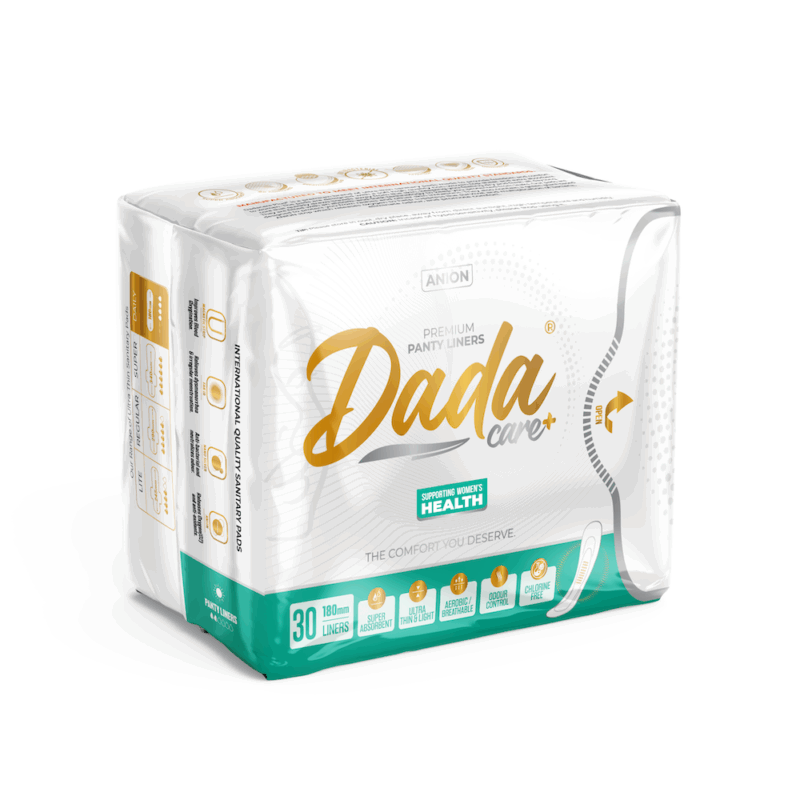
Here’s a scenario most of us have lived: you grab a full sanitary pad when your period is basically done, and by midday you’re wildly uncomfortable for no reason at all. Or you grab a pantyliner on a surprisingly heavy day and spend the next three hours praying nothing escapes. The sanitary pads vs pantyliners question sounds simple, but getting it wrong is genuinely uncomfortable — and surprisingly common.
Let’s fix that. This guide breaks down what each product is actually built for, when to use which, and why choosing the right one for the right moment makes your daily hygiene routine so much easier.
What Is a Sanitary Pad — and What Is It Actually Designed For?
A sanitary pad is a thicker, highly absorbent product designed to manage menstrual flow. It sits in your underwear, collects blood as it exits the body, and keeps you protected through hours of active use. Modern premium pads have multiple absorbent layers — some up to eight — and are designed to lock moisture away from the skin surface so you stay dry even during heavier flow.
Sanitary pads come in several sizes to match different phases of your cycle: shorter, lighter ones for the tail-end days; standard sizes for your mid-flow; and longer, wider overnight versions for night-time protection when you’re lying still for hours at a stretch. The common thread: they’re all built to handle actual menstrual blood in meaningful quantities.
Using a sanitary pad outside of your period isn’t necessarily wrong — but it’s often overkill. A full pad worn for light discharge or at the very end of your cycle is like wearing a raincoat on a sunny day. It works, but it’s more than the moment requires, and the bulk and heat buildup can create unnecessary discomfort.
What Is a Pantyliner — and Where Does It Actually Shine?
A pantyliner is a much thinner, lighter version of a pad. It’s not designed for menstrual flow at all — at least not as its primary purpose. Pantyliners exist to absorb everyday vaginal discharge, provide light protection on the days just before or after your period, and help you feel fresh and dry throughout the day when you’re not on your period at all.
Think of a pantyliner as your everyday hygiene companion — the product that bridges the gap between your period days and the rest of the month. Worn daily, a clean pantyliner absorbs normal discharge, prevents it from sitting against your skin or staining your underwear, and keeps you feeling fresh from morning to evening.
A good pantyliner should be thin enough that you don’t feel it’s there, breathable enough that it doesn’t trap heat, and absorbent enough to handle light moisture without bunching or shifting. You can read more about all the reasons women reach for pantyliners in our detailed guide to wearing pantyliners — the list is longer than most people expect.
Sanitary Pads vs Pantyliners: The Clear Difference in Absorbency
This is really the crux of it: absorbency. A sanitary pad is built to absorb menstrual blood, which flows in bursts and can be significant in volume — especially on days two and three of your cycle. Pantyliners are designed for the much lighter volumes of daily vaginal discharge, spotting, or the very last day of your period when flow is essentially done.
Using a pantyliner when you’re in actual flow is a recipe for leaks. Using a full pad for daily discharge is unnecessary and potentially irritating — the excess material and adhesive surface keep more heat against your skin than needed, which is not ideal for your intimate health over time.
Matching the product to the volume is the simplest rule you can follow.
A note on daily discharge
Normal vaginal discharge is healthy and protective. It’s your body’s way of keeping the vaginal environment clean and balanced. The amount and consistency change throughout your cycle — lighter and drier after your period, more fluid and sometimes stretchy near ovulation, thicker and creamier in the days before your period. A pantyliner worn daily doesn’t stop or suppress this discharge — it simply catches it so you feel fresh, without it reaching your underwear.
When to Reach for a Sanitary Pad
Reach for a sanitary pad when:
- Your period has clearly started and flow is more than light spotting
- You’re on day two or three — your heaviest flow days
- You need overnight protection and want full coverage while you sleep in any position
- You have postpartum bleeding (lochia), which tends to be heavier than standard menstrual flow
- You’re expecting your period and want to be prepared for the first real flow
For heavier days, choose a longer, wider pad with extra absorbency. The DadaCare Plus range includes options from everyday regular pads to extra-long overnight versions — so the right size is always available no matter where you are in your cycle.
When to Reach for a Pantyliner
Reach for a pantyliner when:
- Your period is officially over but you’re still seeing very light spotting or brownish discharge
- You’re not on your period but want to manage daily discharge and stay fresh
- You’re around ovulation and noticing increased, wetter discharge
- You’re wearing white or light-coloured clothing and want peace of mind
- You’re doing light exercise and don’t want discharge affecting your comfort mid-workout
- You’re travelling and want an easy, low-maintenance freshness solution
Pantyliners are also incredibly useful if you tend to sweat in the intimate area — particularly in Nairobi’s heat. A breathable daily liner absorbs that moisture and keeps the area drier and more comfortable throughout the day.
Can You Use Pantyliners as Backup During Your Period?
Yes — this is a genuinely practical use. Some women wear a pantyliner as a backup when using a tampon, just in case of any minor leakage. Some use one at the very start of their period when they’re expecting light spotting before full flow begins. These are completely valid uses, as long as you understand that a pantyliner alone won’t manage actual menstrual flow — it needs to be paired with a tampon or used only when the volume is genuinely very light.
Using a pantyliner as your only protection on a day when you’re flowing properly is where things go wrong. It’s not built for that job, and you’ll know it by mid-morning.
How Often Should You Change Each?
Sanitary pads should be changed every 3–4 hours during normal flow, or sooner if they become saturated. Overnight pads can typically last 6–8 hours during sleep, though this depends on your flow level.
Pantyliners should be changed at least twice a day — morning and evening — even if they don’t look visibly saturated. The moisture they absorb throughout the day creates a warm environment if left too long, which isn’t ideal for your intimate health. If you’re particularly active or it’s a warm day, change more frequently.
Both products should be disposed of properly — wrapped individually before going into the bin. Neither should be flushed, as they don’t break down in water the way toilet paper does.
The Bottom Line
Sanitary pads are for your period. Pantyliners are for everything else — the days before, after, and in between. Once you build this distinction into your routine, you’ll find that you’re always reaching for the right product at the right time, and your comfort throughout the month reflects it. Explore the full everyday protection range at DadaCare Plus — available on Jumia and via WhatsApp for easy ordering.