
Hormonal Health, My Health, Period Problems
Endometriosis: The Period Pain Kenyan Women Shouldn’t Ignore
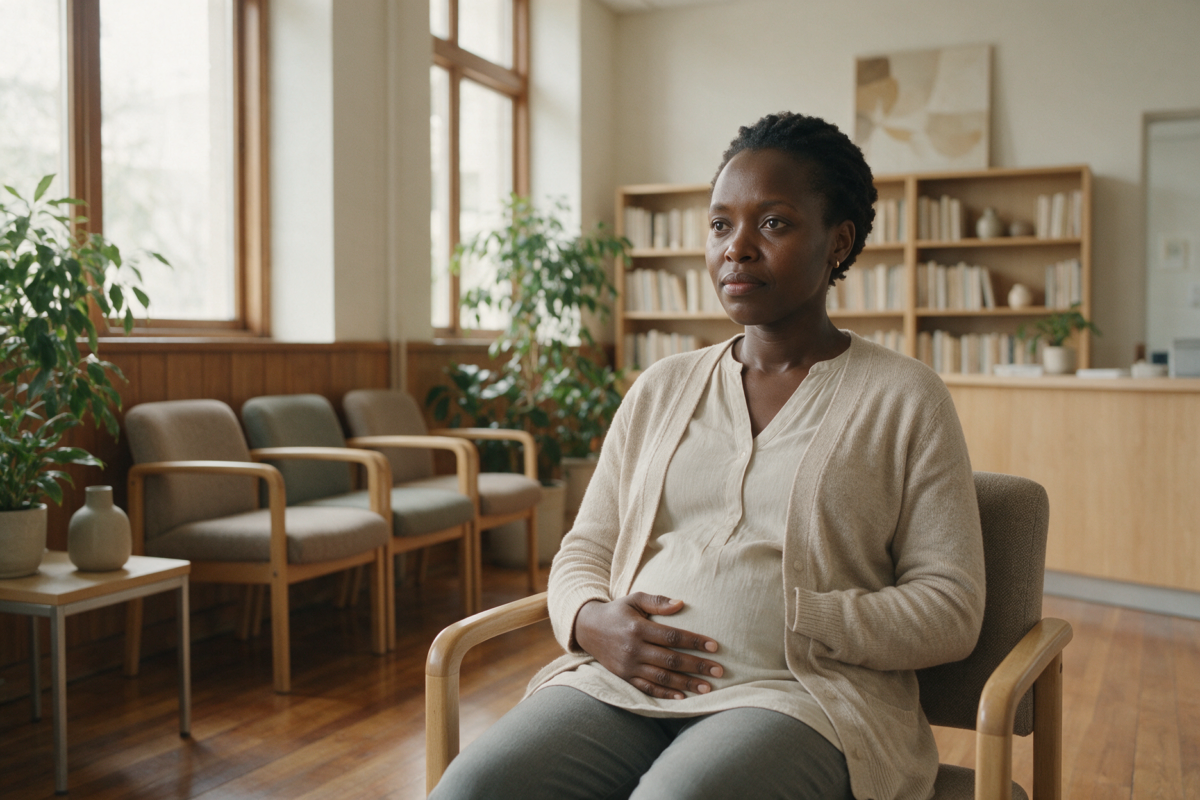
Period pain is common. But period pain that keeps you home from work, sends you to bed with a hot water bottle every month, or makes sex consistently painful is not something you just push through. If that description feels uncomfortably familiar, endometriosis may be what’s happening in your body, and it deserves a proper look.
Endometriosis is a chronic condition in which tissue similar to the lining of the uterus grows outside it — on the ovaries, fallopian tubes, bowel, or elsewhere in the pelvic area. This tissue responds to hormonal changes the same way the uterine lining does: it builds up, breaks down, and tries to bleed. But with nowhere to go, that blood causes inflammation, scarring, and often significant pain. It affects an estimated 1 in 10 women of reproductive age globally, and in Kenya, it is significantly underdiagnosed.
Why Endometriosis Goes Undiagnosed for So Long
The average time between first experiencing symptoms and receiving a formal endometriosis diagnosis is seven to ten years — globally. In Kenya, it’s likely longer. Menstrual pain is widely culturally normalised, so women are often told that painful periods are just part of being a woman. Doctors sometimes prescribe painkillers without investigating further. And endometriosis can only be definitively diagnosed through laparoscopic surgery, which creates a higher barrier than a blood test.
The result: women spend years managing a serious condition with paracetamol and willpower, not knowing there’s both a name for what they’re experiencing and treatment options available.
Key Symptoms of Endometriosis
Severe period cramps
Cramps that cannot be managed with standard over-the-counter pain relief, that worsen each cycle, or that leave you unable to function for one or more days each month are outside the range of typical period pain. Endometriosis-related pain often starts before the period begins and continues well after it ends.
Chronic pelvic pain
Pain that persists throughout the month — not just during your period — is a significant red flag. Women with endometriosis often describe a constant dull ache in the pelvis or lower back that intensifies around menstruation.
Pain during or after sex
Deep pain during intercourse (dyspareunia) is one of the most telling and consistently underreported symptoms of endometriosis. It’s caused by endometrial tissue growing on structures behind the uterus that are compressed during penetration. Many women don’t report this to doctors, or assume it’s normal variation. It isn’t.
Heavy or irregular periods
Endometriosis frequently causes heavier-than-normal periods, sometimes with significant clotting. If you’re soaking through pads hourly on heavy days or passing large clots regularly, that pattern combined with pain is worth raising with a doctor. This guide on blood clots during periods explains when clotting is within normal range and when it warrants investigation.
Painful bowel movements or urination during menstruation
When endometrial tissue grows near the bowel or bladder, it can cause pain during urination or defecation that is noticeably worse during your period — sometimes described as “IBS that only appears during menstruation.” This pattern should prompt investigation, not just dietary adjustment.
Severe bloating
“Endo belly” is a term women with endometriosis use to describe severe abdominal bloating that can make the stomach distend noticeably, often suddenly and without clear dietary cause. It’s driven by inflammation and tends to correlate with the menstrual cycle.
Difficulty getting pregnant
Endometriosis is associated with infertility in 30–50% of cases. The scarring and inflammation it causes can affect egg quality, fallopian tube function, and the uterine environment. Many women receive an endometriosis diagnosis only when they seek fertility treatment — after years of unaddressed symptoms.
Endometriosis vs Normal Period Pain
The clearest practical test: can you manage your period and function reasonably normally with standard pain relief? If yes, your pain is likely primary dysmenorrhoea. If no — if you’re regularly missing school, work, or social obligations due to period pain, if over-the-counter medication doesn’t touch it, if the pain has been worsening over time — that pattern warrants investigation beyond “take something for the pain.”
Keep a symptom journal for two to three months: pain levels (1–10), timing relative to your cycle, any associated symptoms (bowel, bladder, sex), and how much it affects your daily activity. This data is invaluable to a gynaecologist.
Managing Your Period with Endometriosis
Endometriosis often means heavier flow and heightened skin sensitivity from prolonged pad wear on painful days. Choosing pads with soft, skin-friendly materials and genuine absorbency matters more than ever — you’re already dealing with discomfort you don’t need irritation added to. The DadaCare Plus sanitary pad range uses a medical-grade cotton top sheet specifically designed to reduce irritation, which makes a real difference on heavy, painful days when you’re wearing a pad for longer hours than you’d choose to.
Getting Help in Kenya
Ask your GP for a referral to a gynaecologist and use the phrase “I’m concerned about endometriosis” explicitly. In Nairobi, Aga Khan University Hospital, Nairobi Women’s Hospital, and Kenyatta National Hospital have gynaecology departments where you can be assessed. A pelvic ultrasound can identify some signs, though the definitive diagnosis requires laparoscopy.
Your pain is real, it has a name, and you deserve a diagnosis — not just management. Persistent, severe period pain is a symptom. Act on it.