
My Health, Period Tips
Best Foods to Eat During Your Period (and What to Avoid)
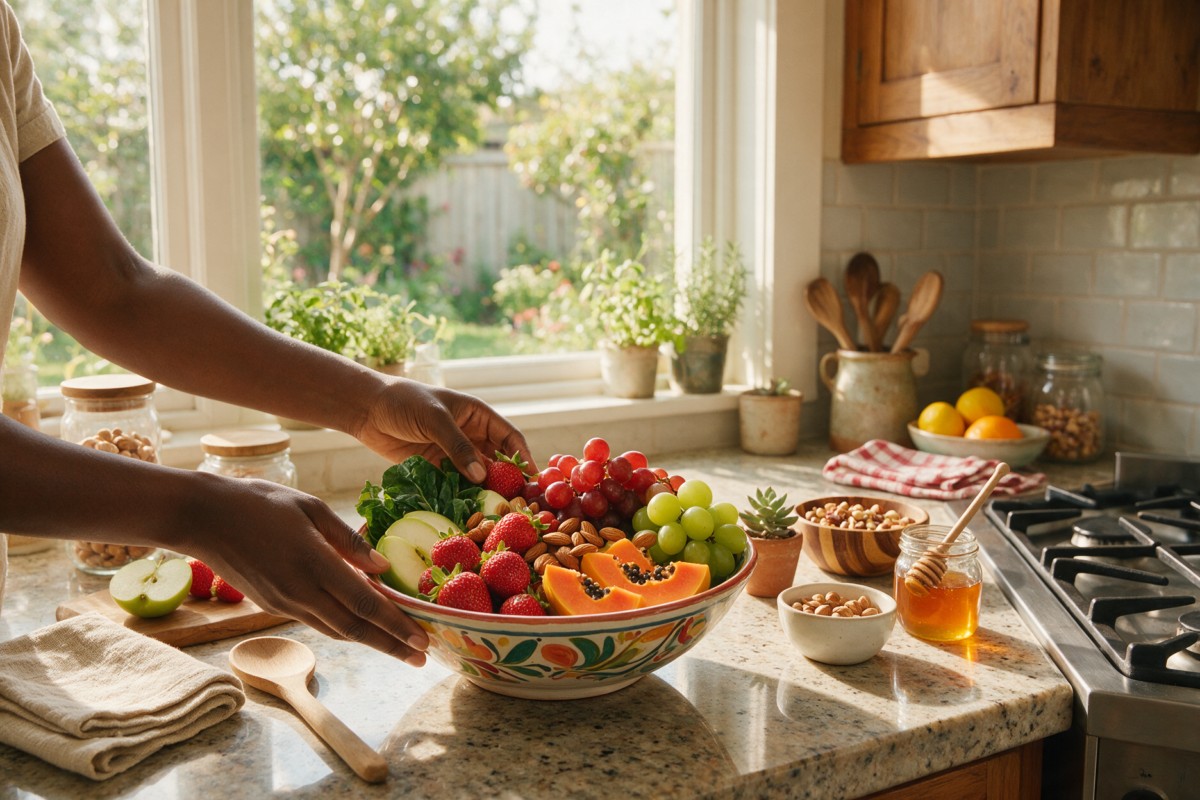
Period cramps, bloating, fatigue, headaches, mood drops — these are all real, and what you eat has a measurable effect on all of them. That’s not a wellness myth. The foods that spike inflammation, disrupt blood sugar, or deplete key nutrients can make period symptoms noticeably worse. The foods that support anti-inflammatory pathways, stabilise blood sugar, and replenish what your body is losing can make them noticeably better. Here’s the practical guide to what to eat during your period and what to cut back on — grounded in what actually works.
What your body needs during menstruation
During your period, your body is actively losing blood — and with it, iron and other micronutrients. Prostaglandins (hormone-like compounds that trigger uterine contractions and cause cramping) are elevated. Magnesium levels often drop, which worsens cramps and mood. Estrogen fluctuations affect serotonin production, which affects mood and energy. Understanding these mechanisms makes it easier to understand why certain foods help and others make things worse.
Foods that genuinely help
Iron-rich foods. Replenishing the iron lost through menstrual bleeding reduces fatigue and prevents the anaemia that heavy periods can cause over time. Kenyan staples that are excellent iron sources: nyama choma and lean beef (haem iron, most bioavailable), omena and other small fish, kunde and other legumes, spinach (non-haem iron — pair with vitamin C-rich foods like tomatoes or citrus to boost absorption).
Magnesium-rich foods. Magnesium helps relax uterine muscle contractions — the source of menstrual cramps. Nuts (groundnuts, almonds, cashews), dark leafy greens (sukuma wiki, spinach), dark chocolate (genuinely — a small amount of 70%+ cocoa dark chocolate is one of the better period snacks), avocado, and bananas are all good sources. Magnesium supplementation (200–400mg) is also well-supported by evidence for reducing dysmenorrhoea.
Omega-3 rich foods. Omega-3 fatty acids have anti-inflammatory properties that reduce the production of prostaglandins — directly addressing the mechanism behind cramps. Salmon and other fatty fish, chia seeds, walnuts, and flaxseed are good sources. If you don’t eat much fish, a daily fish oil supplement is worth considering during your period week.
Vitamin D. Low vitamin D is associated with more severe period pain. In Kenya, where sun exposure is generally good, deficiency is less common than in colder climates — but if you spend most of your time indoors or have limited sunlight exposure, a supplement is worth considering. Egg yolks and fatty fish contain some vitamin D.
Complex carbohydrates. Ugali, brown rice, whole grain bread, sweet potato — complex carbs stabilise blood sugar over time rather than causing spikes and crashes. Stable blood sugar means more consistent energy and better mood regulation during the luteal phase and period week.
Plenty of water. Dehydration worsens headaches, bloating, and fatigue during your period. Aim for 8–10 glasses daily. Warm water or herbal tea can be particularly soothing for cramps.
Foods that often make symptoms worse
Salty and processed foods. High sodium intake causes water retention, which worsens bloating and breast tenderness during your period. Processed snacks, instant noodles, crisps, and heavily salted foods are the main culprits. This doesn’t mean eliminating salt entirely — just reducing packaged and processed sources during your period days.
Refined sugar. Sugar spikes and then crashes blood glucose, which amplifies mood swings, fatigue, and cravings. The cycle of high-sugar snacks followed by energy drops is particularly noticeable during menstruation when hormones are already affecting mood and energy. This includes sugary drinks — sodas, sweetened juices, energy drinks.
Caffeine. Coffee and strong tea constrict blood vessels, which can intensify cramping. Caffeine also disrupts sleep quality — already compromised for many women during their period. Reducing to one cup per day (or switching to ginger or chamomile tea) during your period is worth trying if cramps are a significant issue for you.
Alcohol. Alcohol is pro-inflammatory, dehydrating, and disrupts sleep. All three effects worsen period symptoms. If you drink, reducing intake during your period tends to make a noticeable difference to how you feel.
Practical East African menu for period days
You don’t need exotic superfoods. A practical period-supportive daily menu using Kenyan staples might look like: ugali with sukuma wiki and omena for lunch (iron, leafy greens, small fish); a handful of groundnuts or an avocado as a snack (magnesium, healthy fats); grilled tilapia or beef with brown rice and tomatoes for dinner (iron, omega-3, vitamin C). Simple, local, and genuinely effective.
What you eat won’t eliminate period symptoms entirely, but it can meaningfully reduce their severity. Small consistent changes — more iron, more magnesium, less sugar, less salt — compound into a noticeably more manageable period. Pair good nutrition with the right menstrual protection — DadaCare Plus sanitary pads for reliable all-day coverage — and you’re addressing your period from both sides. Explore the full DadaCare Plus range for pads designed for every flow level.